Kabar Anak — Designing and Iterating a 0→1 Product
Launching and refining a teacher–parent communication product through rapid validation and behavior-driven UX iteration.
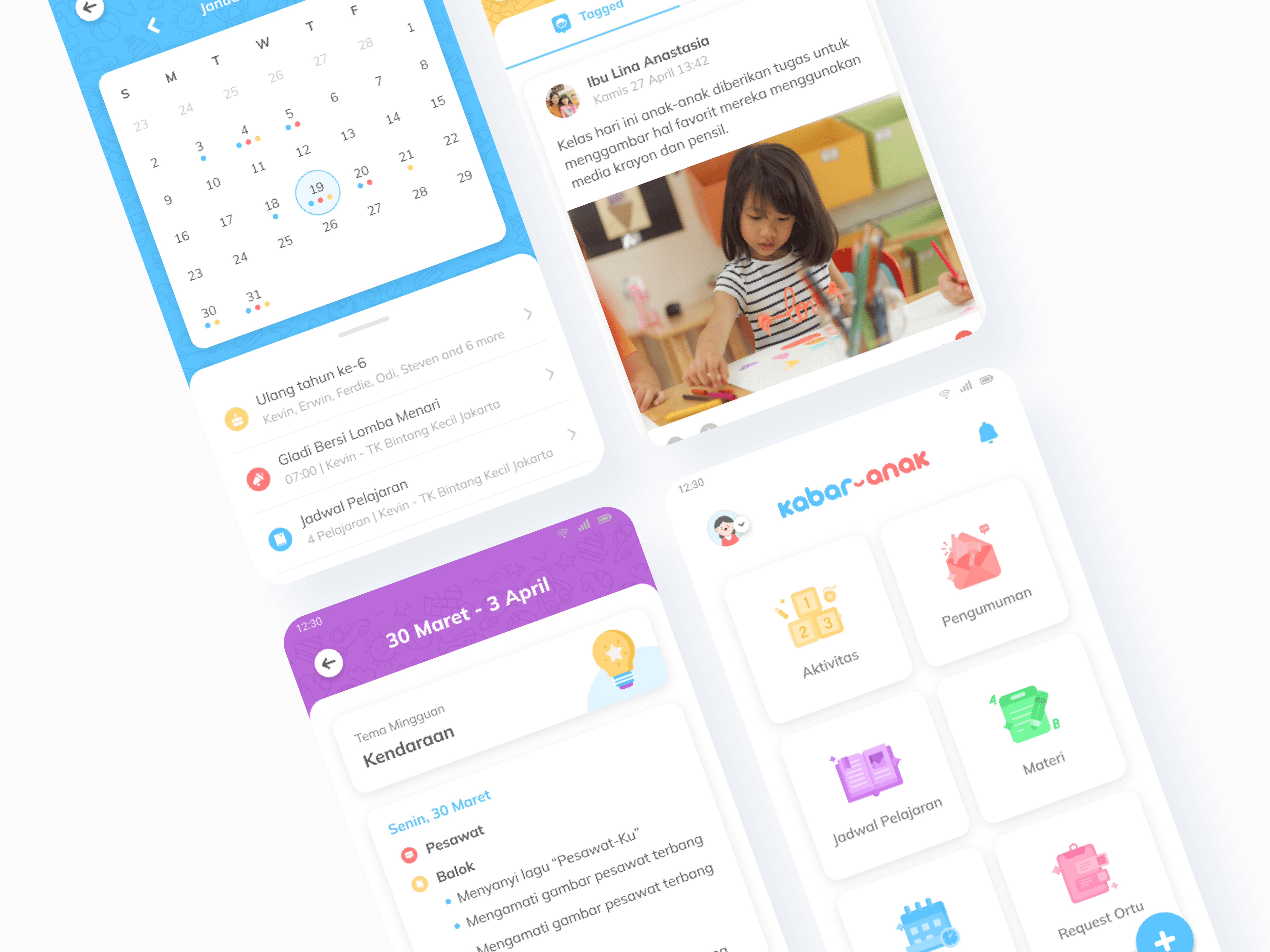
Key Outcomes
Phase 1 — 0→1 MVP
Shipped a functional MVP in 1 week
Validated core communication loop
Successfully piloted in real environments
Phase 2 — First Iteration
Streamlining core feature flows
Reducing signup & failed upload attempts
Improved teacher posting consistency
Overview
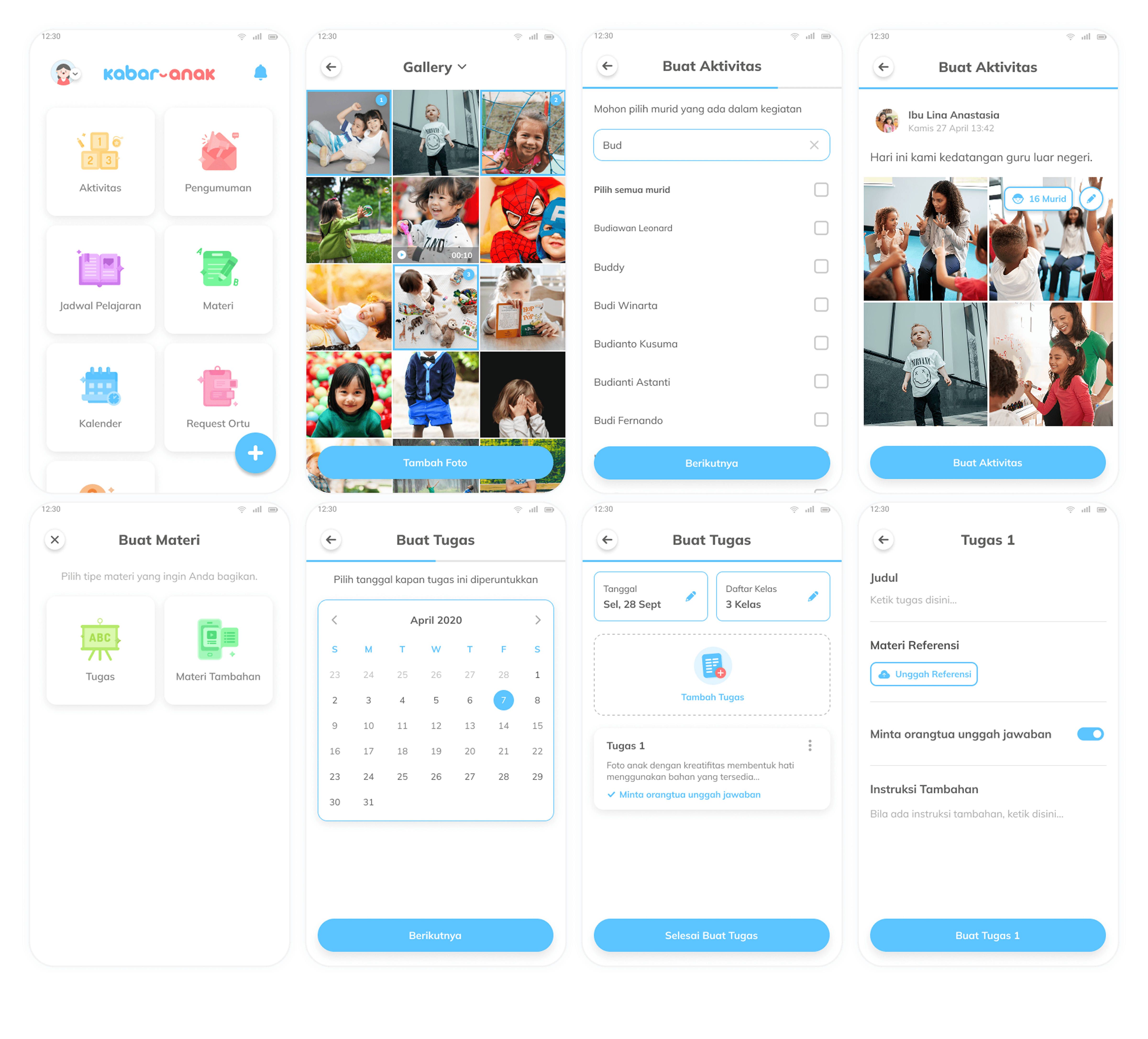
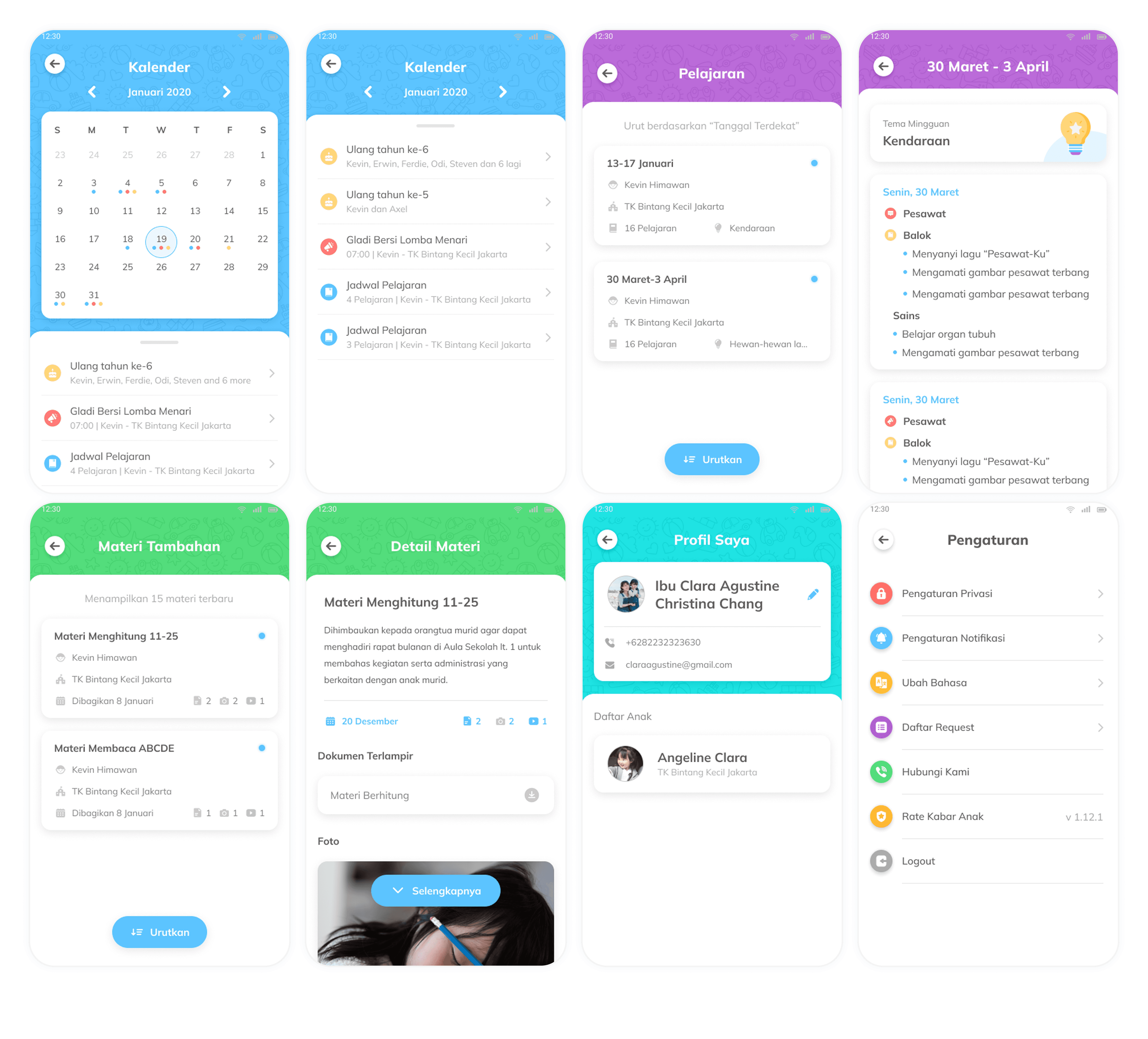
Kabar Anak helps kindergarten teachers share classroom updates with parents in a consistent, low-friction way.
Previously, most teachers relied on WhatsApp groups. Convenient but noisy, unstructured, and poorly suited for institutional use. Rather than replacing it, Kabar Anak moved structured, repeatable teacher work into a dedicated system without increasing effort.
Launched as a fast 0→1 MVP to validate the core loop: teachers post, parents receive updates. Real usage revealed the core challenge wasn’t features, but reliability and consistency in daily behavior.
My Role
Co-founder & sole Product Designer
Led product definition, UX strategy, and UI execution end-to-end
Shipped the MVP rapidly & owned post-launch iteration
Translated real usage feedback into concrete design improvements
Team
1 Product Designer
1 Graphic Designer
1 Engineer
1 Business Dev/Engineer
Duration
MVP ~1 week (design to launch)
First iteration ~3–4 weeks of focused refinement
Problems
At MVP stage
Teachers lacked a fast, structured way to share classroom activities
Existing tools were convenient but poorly suited for formal school communication
The product needed to validate demand quickly, not be perfect
WhatsApp worked for quick sharing, but it was misaligned with schools’ needs for structure, consistency, and accountability.
After initial launch
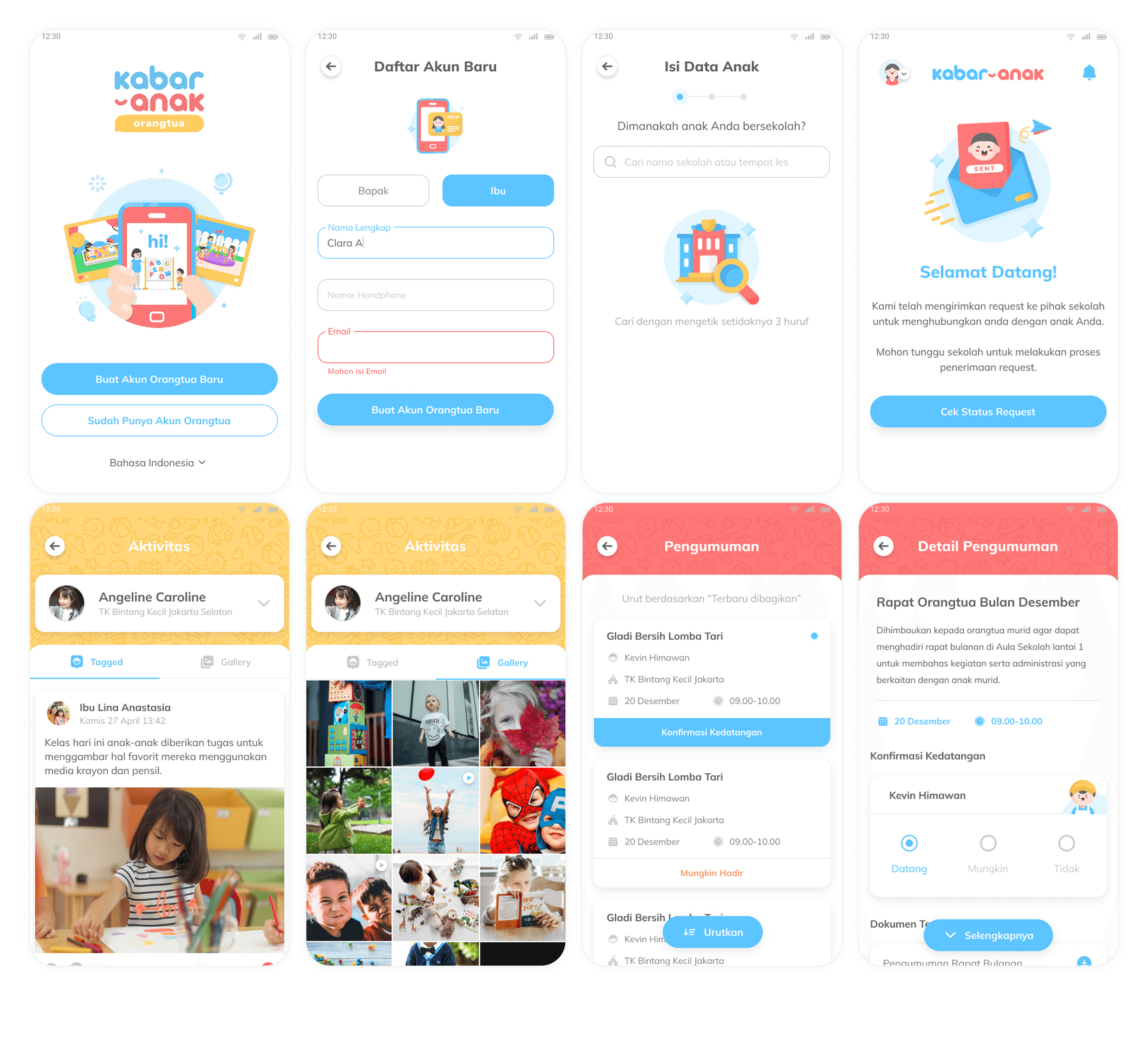
Onboarding had too many steps for time-constrained users
Posting flows introduced avoidable errors and failed uploads
Small friction points had an outsized impact on daily usage
The core issue shifted from “Can this work?” to “Can this work reliably every day?”
Key Constraints
Extremely limited time and resources
Users with low tech literacy & tolerance for complexity or errors
High cost of friction in daily, repeatable actions
Need to iterate without disrupting early adopters
Any solution needed to reduce effort, not add capability.
Key Design Decisions & Trade-offs
Speed over completeness (MVP phase)
The initial product intentionally shipped with minimal features to validate the core communication loop, accepting rough edges in exchange for rapid learning.
Reliability over flexibility (iteration phase)
Posting flows were simplified and constrained to reduce error states, trading customization for higher successful completion rates.
Guidance over discovery
Clear steps, feedback, and system states were prioritized over exploration, ensuring users always knew what to do next.
Outcomes (cont.)
The product evolved from a fast validation tool into a more reliable, habit-supporting system.
After launch, UX refinements focused on removing friction from repeatable actions rather than adding features. This led to:
Fewer onboarding and signup errors, improving first-time success
Reduced failed upload attempts, increasing successful posting
More consistent teacher activity, as posting became easier and more predictable